

The New Jersey labor market continues to evolve in 2026. Employers across manufacturing, warehousing, logistics, healthcare, food production, and light industrial sectors are facing new workforce challenges that directly impact recruiting, retention, and business growth.
From increased competition for skilled workers to changing wage expectations and AI-driven hiring processes, today’s employers must adapt quickly to remain competitive.
Whether you’re expanding your workforce or replacing key employees, understanding New Jersey employment trends 2026 can help you make smarter hiring decisions while reducing recruitment costs and minimizing turnover.
In this guide, we’ll explore the biggest hiring trends shaping New Jersey businesses and explain how employers can stay ahead.
New Jersey Labor Market Overview: Where Things Stand in 2026
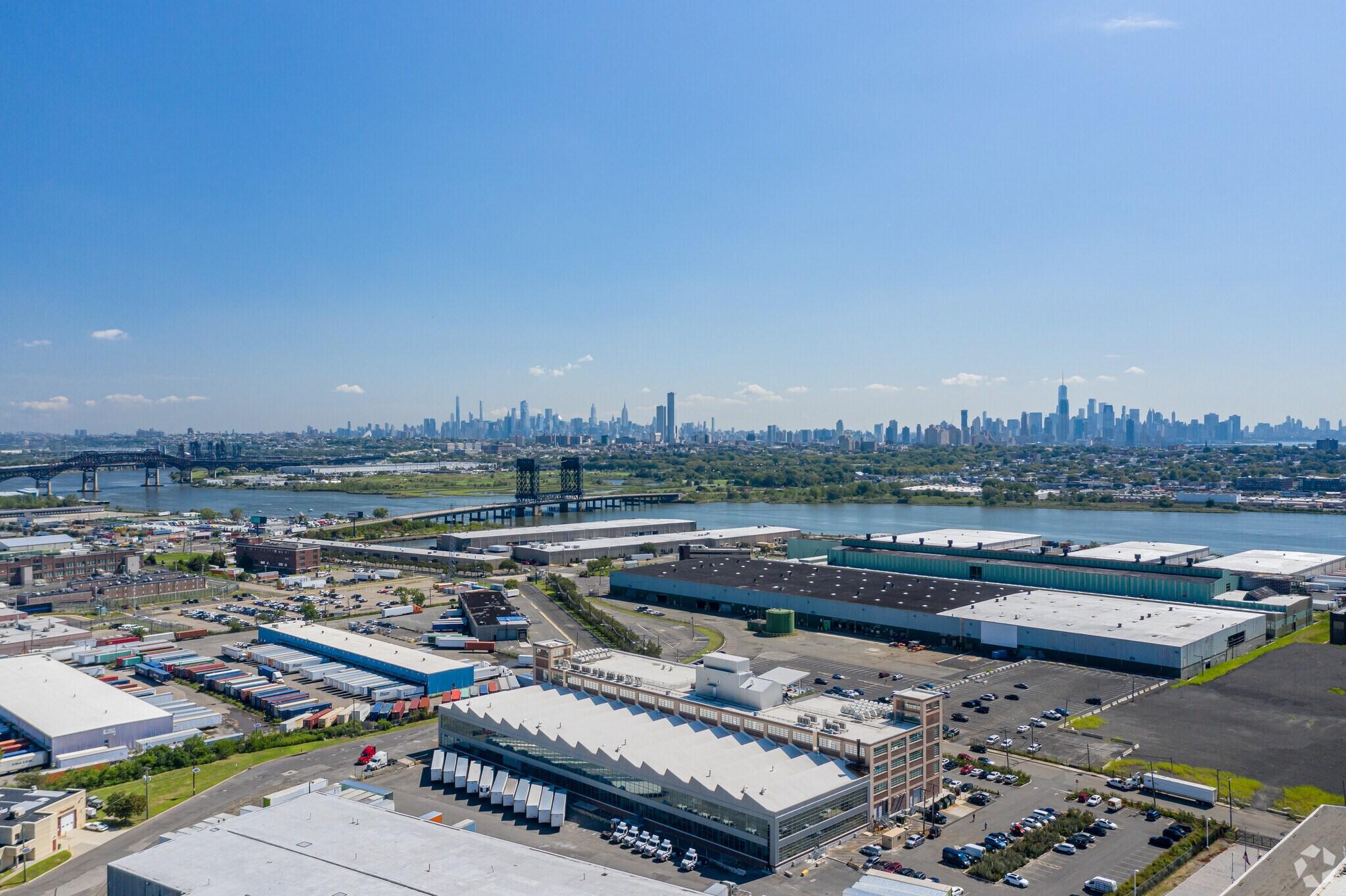
New Jersey remains one of the strongest employment markets in the Northeast, but employers are operating in a much tighter labor environment than just a few years ago.
Several industries continue experiencing labor shortages despite economic growth. At the same time, technological innovation, demographic changes, and evolving employee expectations are reshaping how businesses recruit talent.
Current NJ Unemployment Rate and What It Signals
Although unemployment has stabilized compared to pandemic-era fluctuations, employers continue competing for experienced candidates.
A relatively low unemployment rate generally means:
- Smaller candidate pools
- Longer hiring timelines
- Higher wage expectations
- Increased employee turnover
- Greater importance of employer branding
Rather than waiting until positions become vacant, many successful companies are building proactive hiring pipelines.
Which Industries Are Growing—and Which Are Slowing?
Several industries continue expanding across New Jersey.
Growing Industries
- Warehousing
- Distribution Centers
- Logistics
- Manufacturing
- Healthcare Support
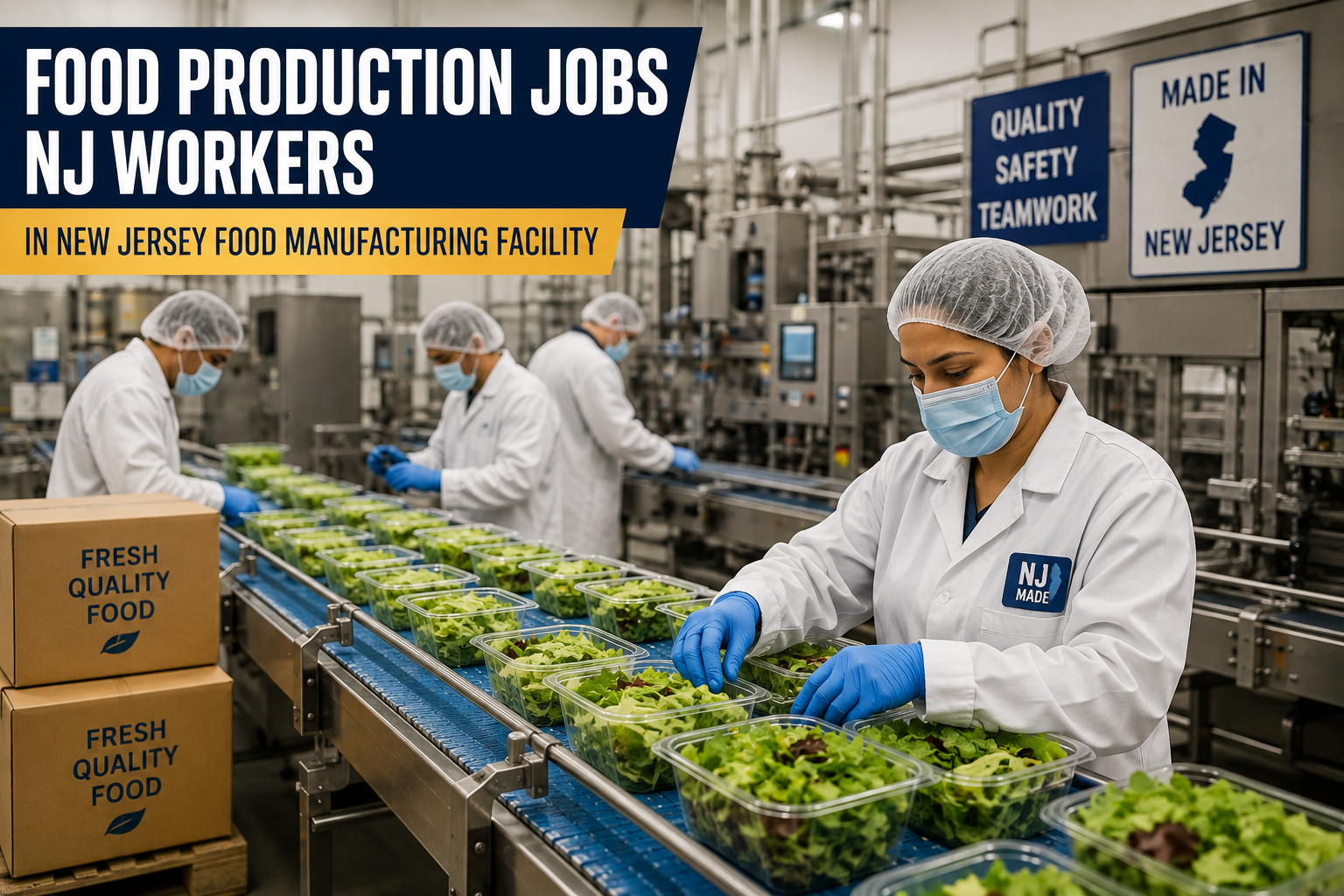
- Food Production
- Skilled Trades
- Transportation
Slower Growth Areas
- Traditional retail
- Administrative support
- Some office-based clerical roles
Businesses in expanding sectors often experience the greatest hiring pressure due to increasing customer demand.
Trend 1 — Industrial and Skilled Trades Roles Remain Critically Understaffed
Industrial employers continue reporting shortages in positions such as:
- Forklift Operators
- Machine Operators
- Maintenance Technicians
- Production Associates
- Warehouse Associates
- Quality Inspectors
- Shipping & Receiving Specialists
These roles require dependable employees who can work safely while maintaining productivity.
Because qualified workers remain in high demand, employers often need faster recruiting strategies to avoid production delays.
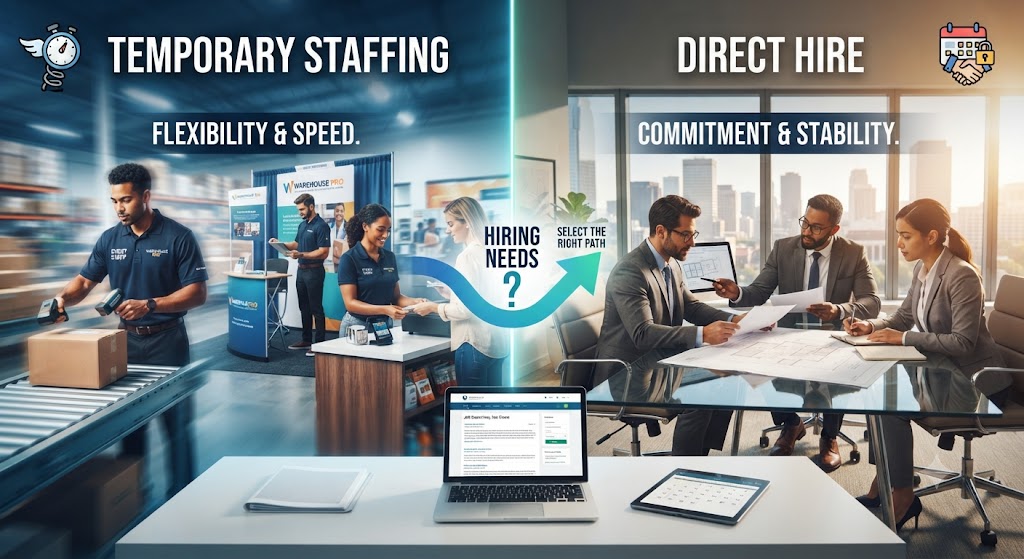
Trend 2 — Flexible Staffing Has Become a Long-Term Workforce Strategy
Temporary staffing is no longer viewed simply as emergency hiring.
Today’s employers use flexible staffing to:
- Handle seasonal demand
- Test candidates before hiring permanently
- Reduce overtime expenses
- Improve workforce flexibility
- Respond quickly to market changes
Many companies now maintain a blended workforce consisting of permanent employees alongside temporary professionals.
This approach allows organizations to scale operations without overextending payroll commitments.
Trend 3 — Pay Transparency and Wage Equity Continue Shaping Hiring
Candidates today expect more than competitive wages.
They also expect:
- Transparent salary information
- Fair hiring practices
- Equal advancement opportunities
- Clear career paths
Companies failing to communicate compensation openly may lose qualified candidates before interviews even begin.
NJ Pay Transparency Requirements
New Jersey employers should stay informed about evolving pay transparency requirements and ensure job postings accurately reflect compensation where applicable.
Best practices include:
- Reviewing hiring policies regularly
- Updating compensation ranges
- Training hiring managers
- Maintaining consistent salary practices
- Documenting pay decisions
Employers who prioritize transparency often experience stronger applicant trust.
Trend 4 — Competition for Entry-Level Workers Is Increasing
Entry-level hiring has become increasingly competitive across:
- Warehouses
- Distribution Centers
- Manufacturing Plants
- Food Production Facilities
- Logistics Companies
Businesses now compete not only with similar employers but also with:
- Gig economy opportunities
- Retail employers
- Delivery services
- Remote customer service jobs
To attract entry-level workers, employers increasingly offer:
- Flexible scheduling
- Paid training
- Career advancement opportunities
- Attendance bonuses
- Referral incentives
Trend 5 — AI and Automation Are Changing Hiring Needs
Artificial intelligence continues transforming workplace operations.
Automation now assists with:
- Inventory management
- Scheduling
- Production monitoring
- Data entry
- Quality control
- Workforce planning
Instead of replacing workers entirely, technology is changing the skills employers prioritize.
Companies increasingly seek candidates who combine technical knowledge with adaptability and problem-solving abilities.
Trend 6 — Diversity and Inclusive Hiring Remain Business Priorities
Employers across North Jersey continue expanding diversity initiatives as part of long-term workforce planning.
Inclusive hiring practices help businesses:
- Reach broader talent pools
- Improve innovation
- Increase employee engagement
- Strengthen retention
- Build stronger workplace cultures
Organizations that invest in equitable hiring often become more attractive employers within competitive labor markets.
What These Trends Mean for Your Hiring Strategy
The labor market will likely remain competitive throughout the coming year.
Successful employers should focus on:
Build Hiring Pipelines Early
Don’t wait until positions become vacant.
Maintain relationships with qualified candidates throughout the year.
Improve Hiring Speed
Long interview processes frequently result in losing candidates to faster competitors.
Simplify interviews and accelerate decision-making whenever possible.
Invest in Retention
Keeping quality employees is often less expensive than replacing them.
Consider:
- Competitive wages
- Recognition programs
- Career development
- Workplace safety
- Flexible scheduling
Partner With Staffing Experts
Experienced staffing agencies understand local labor markets and maintain access to qualified candidates before positions become publicly advertised.
This significantly reduces hiring delays.
How Superior Staffing Helps New Jersey Employers Stay Ahead
At Superior Staffing, we help businesses across New Jersey respond quickly to changing workforce demands.
Our staffing solutions include:
- Temporary Staffing
- Temp-to-Hire Staffing
- Direct Hire Recruitment
- Warehouse Staffing
- Manufacturing Staffing
- Logistics Staffing
- Seasonal Workforce Solutions
Our recruiters understand the unique hiring challenges facing New Jersey employers and work closely with businesses to deliver qualified talent efficiently.
Whether you’re filling one position or building an entire workforce, our team helps simplify the hiring process while reducing recruitment costs.
Conclusion
The New Jersey employment trends of 2026 highlight one clear reality: hiring is becoming more competitive, more strategic, and more technology-driven.
Businesses that remain flexible, invest in their workforce, and adapt to changing labor market conditions will be better positioned for long-term success.
Partnering with an experienced staffing agency can help employers respond faster to labor market shifts, reduce hiring risks, and secure the skilled talent needed for continued growth.
If your organization is preparing for its next hire, now is the time to align your workforce strategy with today’s labor market—not yesterday’s.
Frequently Asked Questions
What is the current unemployment rate in New Jersey in 2026?
The unemployment rate changes throughout the year. Employers should consult the New Jersey Department of Labor and Workforce Development for the most up-to-date figures before making workforce planning decisions.
Which industries are hiring the most in New Jersey?
Warehousing, logistics, manufacturing, healthcare support, transportation, and skilled trades remain among the strongest hiring sectors.
How is New Jersey’s pay transparency law affecting employers?
Employers should review job postings and compensation practices to ensure compliance with current state requirements while promoting transparency during recruitment.
Is hiring more difficult in 2026 than it was in 2024?
Many employers report increased competition for qualified candidates due to labor shortages, changing workforce expectations, and economic growth across several industries.
How can a staffing agency help employers respond to labor market shifts?
A staffing agency provides faster access to qualified candidates, flexible workforce solutions, reduced hiring time, and recruiting expertise that helps businesses adapt to changing market conditions.





Leave A Comment